Wines Born from the Volcano
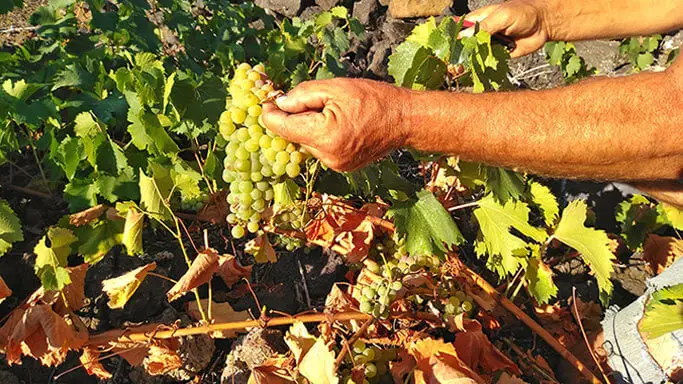
Pico wines are an oenological phenomenon. The vines grow directly on basalt rock, protected by black stone walls (currais), with the Atlantic just meters away. This unique terroir — volcanic, saline, and mineral — produces wines with an unmistakable character.
Pico’s Grape Varieties
Verdelho
The queen grape of Pico. Historically, Pico Verdelho was exported to the Russian czars’ court and European aristocratic tables. Today, it produces dry, mineral whites with citrus notes and a distinctive saline touch.
Arinto dos Açores
A grape exclusive to the Azores, Azorean Arinto differs from its mainland counterpart. It produces wines with vibrant acidity, Atlantic freshness, and an aromatic profile of white fruit and herbs.
Terrantez
A rare and precious grape, nearly extinct on the mainland but preserved on Pico. Terrantez wines have extraordinary complexity and depth.
Where to Taste
Cellars and Cooperatives
The Pico Island Wine Cooperative is the largest producer, with accessible and representative wines. Producers like Azores Wine Company, Curral Atlântis, and Czar have elevated Pico wines’ reputation internationally.
Wine Museum
Located in the former Carmelite house in Madalena, the Wine Museum tells the story of viticulture on Pico since the 15th century. A must-visit for understanding the historical context.
With Terralta
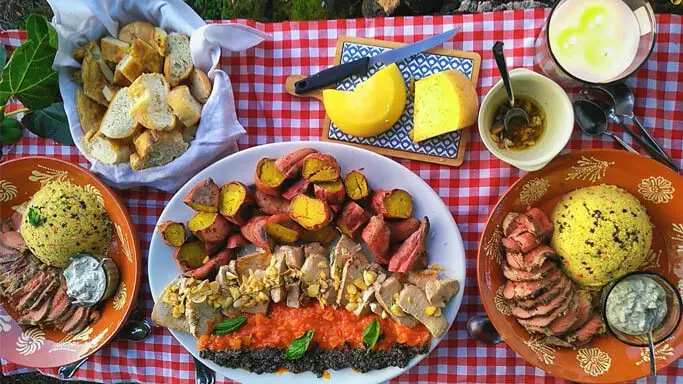
The Wine & Flavours Route includes tasting 4 Pico wines, a guided visit to the Wine Museum, liqueur tasting at the distillery, and a regional tasting lunch. It’s the island’s most complete food and wine experience.
Tasting Tips
- Start with dry whites, which are Pico’s benchmark
- Try local liqueurs and spirits — a unique Azorean tradition
- Ask to taste wines from different producers to compare styles
- Pico wines pair perfectly with São Jorge cheese and octopus